


Tarpaulins and roofing fabrics to secure your construction sites
Tarpaulins and roofing fabrics are not just simple construction site accessories. They protect the very structure of the building, as well as your reputation and your deadlines. Poorly controlled water infiltration, a damaged roof exposed to UV rays, or a roof covering that has been left open for too long can generate major costs.
At Toiles GR, we design each roofing tarp to meet the specific needs of construction professionals in Quebec: wind resistance, reliable waterproofing, secure fastening, and sizes adapted to real job sites.
Our commitment: to provide you with high-performance roofing tarps that are available quickly and ready to be installed on your residential, commercial, or industrial projects.
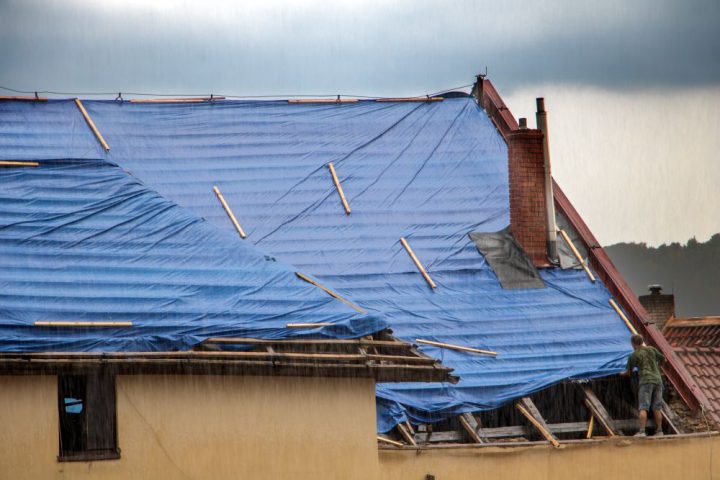
A roofing tarp designed for performance in the field
On construction sites, roofers use tarps in a variety of situations, including:
- After a storm to protect a damaged roof
- In the event of an active leak to prevent water from seeping in
- When replacing tiles or shingles
- During roofing work on a flat roof
- When a damaged roof needs to be temporarily protected
- While waiting for materials (membrane, shingles) to cover the open area
- After a disaster (fire, fallen tree, partial collapse)
- During work carried out by a carpenter or other trades requiring the roof to be opened
- To protect exposed framing or structures
- To secure materials stored on the roof prior to installation
The tarp on a roof then becomes protection against immediate weather conditions. It must be waterproof, resistant, and stable in the wind. An unsuitable protective tarpaulin can tear, flap in the wind, retain water, and compromise waterproofing. As a result, water not only seeps under the tarpaulin, but also damages the insulation, the structure, and even the interior of the building.
The tarpaulin must be chosen according to the specific conditions of the site. This is where our expertise comes in.
Discover our professional tarpaulins for roofers
We offer a wide range of professional tarpaulins suitable for demanding roofers.
Woven polyethylene tarpaulin : economical and resistant
Our standard models are made of 8 x 8 woven polyethylene, 850 denier, with a 1 mil coating on one side to ensure a waterproof surface.
Features:
- Reinforced edges with integrated rope
- Eyelets every 3 or 4 feet
- Rope attached after each eyelet
- High tensile strength
- Good UV resistance
Standard sizes available:
- 15′ x 20′ (bundles of 10)
- 20′ x 30′ (5-packs)
- 30′ x 50′
- 15′ x 755′ rolls
These roofing tarps are ideal for effectively protecting your roof during short- or medium-term projects.
PVC tarpaulin: for high stress conditions
PVC tarpaulin is heavier and offers increased abrasion resistance. It is ideal when the tarpaulin on the roof needs to remain in place for longer or withstand heavier loads.
It is designed for professional roofers working on exposed sites, particularly on flat industrial roofs.
Ultra-sturdy 6-ounce tarps
Available in green or white, these models offer heavyweight and high resistance. They are recommended when mechanical pressure is high or when protection against the elements must be long-lasting.
Choosing the right tarp reduces the risk of tearing and extends the product’s lifespan.
Custom tarpaulins for roofers: tailor protection to your project
Every roof is different. Skylights, mechanical units, variations in slope, complex structures, etc. make each project unique. A custom tarpaulin avoids improvised cuts that weaken the material.
That’s why we also manufacture tarpaulins tailored to the exact dimensions of your project: choice of weight, color, UV protection, and type of reinforcement. For a professional roofer, choosing the right tarpaulin means limiting unforeseen events during installation and subsequent construction work.
Controlled waterproofing: control water and wind with our ultra-sturdy tarpaulins.
Installing a tarpaulin is not just about covering the area. You need to control water runoff.
To prevent water from seeping in:
- The roof tarpaulin must extend well beyond the affected area.
- The tension must be uniform
- Low points must be avoided
- The fastenings must be secure
Securing a tarpaulin correctly using eyelets and sturdy ropes ensures greater stability in windy conditions and protection from rain. On a damaged or under-repair roof, the objective is clear: to cover and protect quickly until permanent repairs can be made. Our sturdy roofing tarpaulins provide effective protection.
Complementary solutions for roofing work
We also manufacture debris chutes and braided polyethylene rope. This equipment facilitates site management and reduces the risk of damage to the immediate surroundings of the building. A well-organized site enhances safety and your image with your customers.
Debris chutes
When working on roofs, waste management is strategic. We manufacture ultra-sturdy chutes for removing materials from flat industrial roofs.
Polyethylene wick
We also offer polyethylene braided wicks for collecting waste from the ground on residential construction sites. This solution improves safety and cleanliness around the building.
Why choose Toiles GR for your roofing tarpaulin?
Toiles GR specializes in manufacturing custom-made tarpaulins and canvas of all kinds, making it the preferred choice for your roofing projects. Here’s why you should choose us:
- Manufacturing and distribution in Quebec
- Products designed for local climate conditions
- Wide range and standard sizes in stock
- Custom options
- Waterproof and durable products for safe construction sites protected from the unexpected
We work with roofers, carpenters, and other building professionals who are looking for reliable, quick-to-install, and durable protection by providing them with suitable construction tarps.
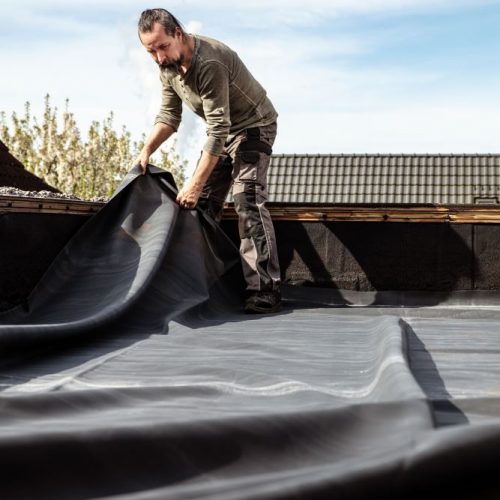
Protect your construction sites with reliable roofing tarps
The use of tarps on a construction site is essential. Covering a roof at the right time and in the right way can prevent major damage. A well-chosen protective tarp protects your roof, maintains waterproofing, and secures your roofing work.
For residential, commercial, or industrial projects, every experienced roofer must be equipped with suitable professional tarps. Contact Toiles GR for technical advice, to check availability, and to order your roofing tarp now.
Frequently asked questions about roofing tarps
1. How much does a roofing tarp cost?
The price of a tarp varies depending on the format, material, weight, standard dimensions or custom options, UV protection, and material.
A professional roofer will assess the cost based on the duration of use and the risk avoided. A more robust protective tarp can reduce frequent replacements and limit damage related to water infiltration and other associated costs. Contact us for an estimate tailored to your needs.
2. How long can a roof tarp last?
The lifespan depends on the weight, UV exposure, and weather conditions. A high-strength tarp with UV protection is more resistant to repeated stress.
3. How to install a tarp on a roof?
Installing a tarp requires method and safety.
- Inspect the damaged roof.
- Remove any debris that could damage the membrane.
- Position the roofing tarp according to the slope.
- Secure it firmly using eyelets and ropes.
Roofers often use wooden slats to distribute pressure and prevent tearing at the anchor point. A tarpaulin on the roof must be inspected regularly. UV rays and temperature variations affect the tension. Checking it after each windy episode reduces the risks.
4. How do you install a tarp on a sloped roof?
The roof tarp should be unrolled from top to bottom, following the natural slope. It should extend beyond the affected area. It should be secured using reinforced eyelets and slats to distribute the tension.
5. Which tarp should you choose for a residential roof?
For short-term projects or storm damage repairs, a woven polyethylene tarp with the appropriate weight provides effective protection against rain and UV rays. For prolonged exposure, a PVC or heavy-duty tarp is preferable.
6. Can a roofing tarp be used on a flat roof?
Yes. On a flat roof, attention must be paid to water drainage. Adequate tension and good anchoring limit the formation of water pockets.