


Painting Tarps For Professionals
On a painting job site, a protective painting tarp is the first item you set up—and often the last thing you think about. Yet it’s what makes the difference between a floor stained for life and a flawless finish. At Toiles GR, we provide painters with durable protective tarps and drop cloths designed to withstand the demands of repeated professional use.
What you’ll find here:
- Durable protective tarps for floors, stairs, and furniture
- Custom-made tarps for large areas and commercial sites
- Materials selected for heavy-duty use, not just single-use projects
- A Quebec-based specialist who understands the on-site needs of professionals
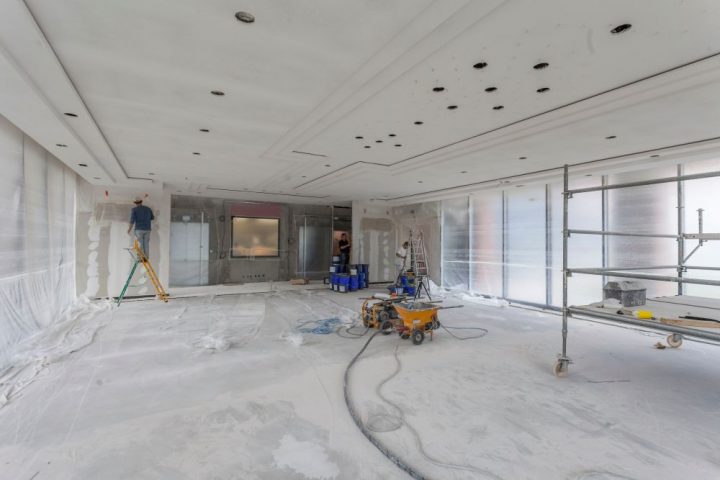
Why Large-Format Tarps Are Not Suitable for Professional Use
The drop cloths sold at general hardware stores are designed for the occasional DIYer. They’re fine for repainting a bedroom once every five years. For a professional painter who lays down a drop cloth every day on hardwood floors, ceramic tiles, or stone stairs, it’s a different story.
A drop cloth that’s too thin slips, tears on edges, and lets paint seep through. On a commercial job site, a stained floor or splattered furniture means a complaint, a delay, and a tarnished reputation. The right material with the right weight is what prevents these situations.
Our Types of Painting Tarps
Your needs will vary depending on whether you’re painting a residential hallway, a large commercial room, or an exterior facade. Here are the options available from Toiles GR for each situation.
Woven polyethylene protective tarps for quick floor coverage
Made of high-density polyethylene with a waterproof coating. Lightweight to carry and quick to deploy, they cover large areas effortlessly. Reinforced edges and built-in grommets allow them to be secured or held in place even in drafty areas.
Available in standard sizes (15′ × 20′, 20′ × 30′, 30′ × 50′) and in 15′ × 755′ rolls for job sites requiring custom cutting.
Standard or fire-resistant (FR) 3.5-ounce white tarps
The go-to choice for medium-term interior projects. Thick enough to absorb splatters without letting paint bleed through, they fold easily and withstand multiple uses. The FR version is recommended for buildings where fire-resistance requirements apply.
Ultra-heavy-duty 6-ounce tarps for intensive projects and high-end surfaces
For hardwood floors, exposed staircases, or commercial projects where every detail matters. The 6-ounce weight offers maximum protection against spills, abrasion, and tears. More resistant to UV rays and repeated use, these drop cloths are designed to last a full season, not just a single job site.
6 Common Uses for Tarps on a Painting Job Site
1. Protecting Hardwood Floors During Painting
Hardwood absorbs paint in seconds. A drop cloth that’s too thin, or stepping on a saturated area, can leave a permanent stain. A taut 6-ounce drop cloth eliminates this risk, even with repeated foot traffic on the surface throughout the day.
2. Covering furniture that cannot be moved during work at height
Ceilings, crown moldings, high walls: paint splatters fall from far away and from high up. A wide drop cloth placed over furniture or equipment in place provides effective protection without requiring relocation.
3. Working in open commercial spaces
In an office, a retail space, or a partially operational public area, protection must be quick to install and remove. Rolls allow for cutting to the exact dimensions of each area, without excess material or unnecessary handling.
4. Protecting Staircases During Work in Common Areas
Staircases are high-risk areas: constant foot traffic, hard, exposed surfaces. A custom-cut 6-ounce tarp, secured to the edges, protects each step without slipping or shifting as people walk by.
5. Isolate work zones on phased construction sites
When work is done in sections and certain parts of the building remain accessible, tarps are also used to demarcate active zones. A securely fastened tarp protects both surfaces and people moving outside the work perimeter.
6. Protecting vegetation and outdoor landscaping during exterior painting
Shrubs, patio pavers, outdoor furniture left in place: a tarp placed at the base of the wall protects everything that overspray from an airless sprayer reaches on the ground, sometimes up to several meters from the facade.
Polyethylene or Cotton: What You Really Need to Know
This question comes up regularly on the job. Both materials have their place, but they serve different purposes.
Cotton absorbs thick paint well and doesn’t slip on smooth floors. It’s reusable and washable. But it’s heavy to carry, takes longer to dry, and is significantly more expensive to buy.
High-density polyethylene is waterproof, lightweight, and easy to lay out even by yourself. It works well for large surfaces and custom cuts. For a house painter who switches job sites every week, the practicality-cost-protection ratio of woven polyethylene is hard to beat—provided you choose the right weight.
At Toiles GR, we can advise you based on the surface to be protected, the duration of the work, and the type of paint used.
Why do professional painters choose Toiles GR?
- A specialist, not a general retailer: Toiles GR doesn’t sell construction tarps and canvases between two aisles in a hardware store. It’s a Quebec-based manufacturer that has specialized in industrial tarps and canvases for over 30 years. When you call, you speak to someone who knows the difference between a 3.5-ounce canvas and a 6-ounce canvas in a real-world construction setting.
- North American-sourced materials: The high-density polyethylene used in our products is selected to withstand repeated use, not just a single application.
- Sizes tailored for professionals: 15′ × 755′ rolls let you cut exactly what you need. Not too much, not too little.
- Inventory designed for bulk orders: Whether you’re working alone or leading a team of painters, the available quantities keep pace with your projects.
The use of construction tarps and painter’s tarps is important. A good protective tarp isn’t something you choose at the last minute. Contact Toiles GR to find the right product for your projects.
Find the right tarp for your job site
A house painter moves to a new job site every week. Surfaces vary, dimensions change, and conditions do too. What doesn’t change is the need for a drop cloth that holds its place, doesn’t slip, keeps everything contained, and packs up quickly once the job is done.
At Toiles GR, we don’t sell generic drop cloths and hope they’ll work. We manufacture and distribute products selected for intensive professional use, backed by the expertise in materials and real-world applications that goes with it. Whether you need a standard tarp in stock or a custom cut for an oversized job site, we have what you need.
Contact our experts in custom tarp and canvas manufacturing for a recommendation tailored to your situation, and walk away with the right product the first time.
Frequently Asked Questions About Painting Tarps
1. Which canvas should I choose to protect a hardwood floor?
A 6-ounce tarp is recommended. Its high weight per square foot absorbs splatters without letting them pass through, and its durability withstands repeated handling without tearing at the edges or along baseboards.
2. Can a polyethylene tarp be reused multiple times?
Yes, provided you fold it properly after use and store it away from UV light. A well-maintained 6-ounce drop cloth can be used on several consecutive jobs. The 3.5-ounce drop cloth is also suitable for repeated use over short periods.
3. How do you clean and maintain a reusable painter’s canvas?
Allow the paint to dry completely before folding. For latex paint, wiping with a damp cloth removes fresh splatters. Once dry, the paint usually peels off the polyethylene effortlessly. Avoid folding over areas with heavy dried paint buildup, as this weakens the sheet over time.
4. Do the rolls allow you to cut to the exact length needed for a custom job?
Exactly. The 15′ × 755′ rolls are designed for that: you cut the length you need, without paying for unnecessary excess.
5. Can Toiles GR supply tarps in large quantities for a team of painters?
Yes. Contact us directly for bulk orders. We adapt to the needs of contractors working on multiple sites simultaneously.
6. What tarp should be used to protect stairs on a construction site with constant foot traffic?
A 6-ounce tarp cut to size, secured to the edges of each step. Its high weight resists repeated foot traffic and friction from shoe soles without shifting or tearing at the edges. For stairs with protruding nosings, fold the tarp under the nosing and secure it with masking tape to prevent slipping.
7. Can a protective tarp also be used to shield a work area from dust?
Partially. A polyethylene sheet stretched vertically over a temporary frame or secured to the ceiling with masking tape creates an effective barrier against paint splatter. For complete protection against fine dust (from sanding or blasting), a sealed plastic film is more suitable. By combining the two, you can protect both horizontal surfaces and adjacent areas.