


Tarps for Carpenters and Joiners
Tarps for carpenters and joiners aren’t just secondary accessories, they’re an integral part of the job site. A roof exposed to the elements during construction poses a real risk: water infiltration, waterlogged wood, damaged materials, and extended project timelines. The right tarp, carefully selected and properly installed, prevents all of that.
At Toiles GR, we manufacture and distribute sturdy construction tarps designed for the needs of professionals and adapted to the Quebec climate.
The Importance of a High-Quality Construction Tarp
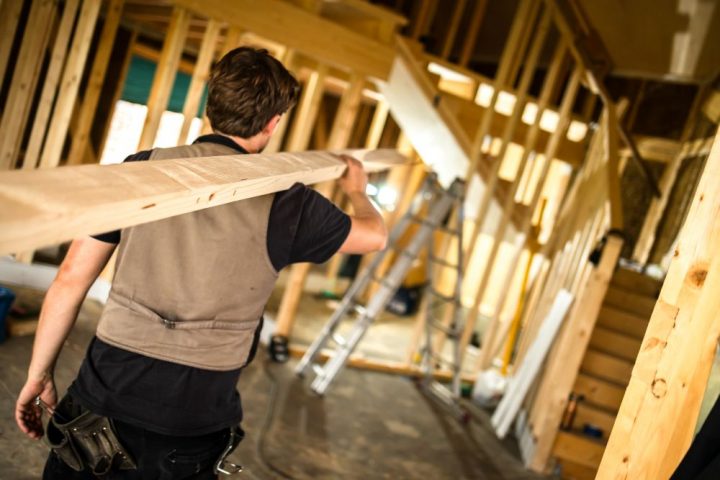
On a roofing job site where the roof structure and woodwork are exposed to the elements, every hour counts. A sudden rain shower, a gust of wind, a cold night… the weather conditions in Quebec are unforgiving. Moisture seeps into the joists, causes the wood to warp, and promotes mold growth. The cumulative effect of bad weather on an exposed roof structure takes its toll quickly.
Construction professionals know that using a construction tarp on a construction site is essential, and the quality of the material makes all the difference. A tarp that’s too thin gives way in the wind, tears at the first brush against a beam’s edge, and lets water seep in where it shouldn’t. Choosing the right tarp means choosing not to have to start all over again.
Our Types of Tarps for Carpenters and Joiners
At Toiles GR, the tarps and tarpaulins we offer meet the rigorous requirements of Quebec construction sites. We provide several options depending on the project, budget, and conditions of use.
Economical woven polyethylene tarps
Made from high-density polyethylene, with an 8-by-8-thread-per-square-inch weave at 850 denier. Coated on one side with 25 microns (1 mil) of polyethylene for an effective waterproof surface. The edges are reinforced with rope inside the hem, and each grommet (spaced every 3 or 4 feet) is equipped with an attached rope for a secure and quick fastening.
Available in standard sizes: 15′ x 20′ (packs of 10), 20′ x 30′ (packs of 5), 30′ x 50′ (sold individually), and in 15′ x 755′ rolls for projects requiring custom coverage.
Standard or FR White Tarps
Available in 3.5-ounce, standard or flame-retardant (FR) versions. Ideal for long-term protection during carpentry work or interior renovations.
Ultra-Heavy-Duty 6-Ounce Tarps — Green and White
For exposed job sites, storm-damaged roofs, or structures requiring optimal protection over an extended period. More durable, with greater resistance to UV rays and temperature fluctuations, this option offers enhanced protection against wind and prolonged inclement weather.
5 Common Uses on the Construction Site
1. Securing a tarp over a roof awaiting roofing
Between construction phases, an exposed roof frame is vulnerable. Even a single rainy night is enough to saturate the wood with moisture, cause the joists to warp, and create conditions conducive to mold growth. Installing a roof tarp as soon as the existing roofing is removed or left incomplete protects the structural framework before problems even begin. It also preserves the quality of the work already completed.
2. Covering materials stored on the job site
Lumber, OSB panels, insulation, siding, everything waiting on the job site must be protected. Moisture warps, swells, and can render materials unusable before they are even installed. A protective tarp tightly stretched over a stockpile prevents unnecessary losses and unplanned delays.
3. Installing an emergency tarp after a storm
When a roof is damaged (tiles torn off, structure exposed), every hour without protection worsens the situation. While waiting for a professional roofer to arrive, securing a tarp over a damaged roof helps limit water infiltration and prevent damage inside the building. This quick action can make the difference between localized damage and extensive restoration work.
4. Protecting openings in the facade
During construction or renovation work, openings in the facade (windows awaiting installation, removed skylights, exposed gables) serve as entry points for the elements. A tarp that fits the opening’s dimensions and is properly secured provides effective protection against rain and wind without hindering the progress of the project.
5. Creating a covered work area
Certain carpentry or exterior finishing tasks cannot wait for perfect weather conditions. Working under a tarp, with a well-secured temporary cover, allows the project to continue at a steady pace even in overcast conditions or light rain. This is particularly useful for exposed structural work in progress, where repeated stops and restarts cost time and energy.
Polyethylene or PVC: Why We Recommend Polyethylene
This question comes up often in the field. PVC offers a longer service life and high mechanical strength, but it is heavier, stiffer in cold weather, and significantly more expensive. For seasonal roofing projects or short- to medium-term jobs, it is often overkill.
Woven polyethylene is lightweight, flexible even in cold weather, waterproof, and UV-resistant. It adapts well to the irregularities of a roof structure, makes installation easier, and allows for a taut fit even on complex surfaces. For carpenters and joiners who regularly work on roofs, the value for money of high-density polyethylene is hard to beat.
Why Choose Toiles GR Tarps
A material designed to withstand Quebec’s weather conditions
Cold winters, freeze-thaw cycles, sudden warm spells, gusty winds… the high-density polyethylene used in Toiles GR tarps is selected to withstand these conditions, not for construction sites in temperate climates. The material’s flexibility at low temperatures prevents the cracking and tearing seen on tarps less suited to our climate.
A sturdy fastening system, designed for the field
Reinforced edges with rope integrated into the hem, eyelets positioned every 3 or 4 feet with a rope attached after each anchor point—these aren’t just manufacturing details; they’re what sets a tarp that stays put apart from one that flies away at the first gust of wind. On a house, a solid fastening system prevents accidents and truly protects the structure.
A selection of products tailored to every situation
Economical tarps for short-term projects, standard 3.5-ounce or flame-retardant (FR) tarps for extended use, and ultra-durable 6-ounce tarps for harsh conditions or winter protection—we have a solution for every need. Standard sizes cover most projects, and rolls allow for custom cutting when the job site requires it.
A specialized supplier, not a generalist
Toiles GR doesn’t sell tarps tucked away between two hardware aisles. We are a Quebec-based specialist in construction tarps and fabrics, with the product knowledge and on-site experience to match. When you have a question about choosing the right tarp, weight, dimensions, or fastening method, you’ll speak with someone who knows the subject and can recommend what truly suits your project.
Properly protecting a construction site requires planning ahead
You shouldn’t wait until the last minute—like the night before a rain forecast—to choose a protective tarp. The right tarp depends on the duration of the project, wind exposure, the area to be covered, and local weather conditions. A professional in tarps and fabrics can help you find the right product—one that’s neither too flimsy for the job nor too expensive for your budget.
At Toiles GR, a Quebec-based company specializing in the manufacture of custom tarps and tarpaulins, we’ve been working with carpenters and construction contractors for years. Discover our tarps and contact us to find the solution that fits your needs.
Frequently Asked Questions About Tarps for Carpenters and Joiners
1. Which tarp should I choose to protect a roof damaged by a storm?
For a damaged roof awaiting repair, a 6-ounce polyethylene tarp is recommended. It offers sufficient wind resistance and weather protection to last several weeks. Make sure it is securely fastened using grommets and ropes, and that water drainage is not blocked.
2. How long can a polyethylene tarp remain in place?
The lifespan depends on the weight, UV exposure, and weather conditions. A 3.5-ounce tarp is suitable for protection lasting a few weeks. For extended coverage (several months, including overwintering), a 6-ounce tarp with UV protection is more suitable.
3. How can I protect my woodwork and siding awaiting installation from moisture?
A polyethylene tarp stretched over the stored materials, without direct contact with the wood, allows for minimal air circulation while blocking rain and dew.
4. What type of tarp should be used to cover a window or door opening that is awaiting installation?
For standard-sized openings, a 3.5-ounce tarp secured to the raw frame is sufficient. For prolonged exposure or during cold weather, we recommend a 6-ounce tarp with reinforced edges.
5. Can a tarp be secured directly to a wooden structure without damaging it?
The ropes attached to the grommets allow for securing the tarp without drilling or stapling directly into the wood. This is the preferred method for protecting fine woodwork or a surface intended to remain visible.
6. Do Toiles GR rolls allow you to cut tarps to the exact dimensions of a custom job site?
Exactly. The 15′ x 755′ rolls are designed for this: cut to the desired length, without unnecessary excess or compromising on coverage width.